Utah's five national parks, canyon country, and red-rock landscapes draw millions of visitors annually, making motel placement a genuine strategic decision. Whether you're entering Zion from the east, driving the Colorado Plateau, or cutting through the northern corridor toward Salt Lake City, the right motel puts you minutes from trailheads instead of hours. This guide compares 5 motels across Utah's key travel corridors to help you book smarter.
What It's Like Staying in Utah
Utah is not a destination you experience from one fixed base - it's a road-trip state, and where you sleep each night directly shapes what you can do the next morning. The state spans over 84,000 square miles, meaning a motel poorly positioned can cost you 2 to 3 hours of driving time per day. Crowds peak at Zion, Bryce, and Arches from April through October, and gateway towns like Springdale, Kanab, and Moab fill up weeks in advance during peak season.
Urban Utah - Salt Lake City and St. George - offers reliable infrastructure, but most travelers come specifically for the canyon corridors and high desert terrain. Budget-conscious visitors and solo road-trippers benefit most from Utah's motel network, which lines the state's major highways and keeps you close to park entrances without resort pricing.
Pros:
- Direct access to 5 national parks, multiple state parks, and scenic byways from highway-positioned motels
- Motel rates in gateway towns are significantly lower than in-park lodges, often by around 50%
- Free parking is standard at Utah motels, critical for travelers with gear-loaded vehicles or RVs
Cons:
- Many gateway motels are far from grocery stores or dining beyond fast food - meal planning matters
- Front desks in smaller towns often close before midnight, limiting late-arrival flexibility
- Cell service is unreliable across large portions of rural Utah, requiring offline maps
Why Choose a Motel in Utah
Motels in Utah serve a fundamentally different function than in most U.S. states - they act as operational bases for multi-park itineraries rather than leisure retreats. Most Utah motels offer free parking and ground-floor room access, which is genuinely useful when you're loading hiking packs, coolers, and camera equipment daily. Compared to boutique hotels or in-park lodges, motels in Utah typically run around 40% cheaper per night, with most options falling well under $150 in non-peak months.
Room sizes are generally modest but functional - expect a queen or two doubles, a mini-fridge, microwave, and Wi-Fi. Trade-offs include thinner walls in high-traffic periods, limited on-site dining, and older fixtures in some highway-side properties. Travelers prioritizing early trailhead starts, gear storage, and location efficiency over luxury amenities consistently get more value from Utah motels than from upscale alternatives.
Pros:
- Ground-floor exterior room access makes gear loading and early departures far more efficient
- Highway and park-edge positioning means minimal driving time between sleep and trailhead
- Free breakfast is increasingly common at Utah motels, reducing daily travel costs
Cons:
- On-site dining options are limited - most motels offer snack bars or vending rather than full restaurants
- Room quality varies significantly between properties even within the same brand tier
- Peak-season availability in gateway towns like Kanab or Torrey disappears fast - often weeks ahead
Practical Booking & Area Strategy for Utah Motels
Utah's travel corridors each serve different park clusters: Kanab is the single best-positioned town for accessing Zion, Bryce, Grand Staircase, and the North Rim of the Grand Canyon within a single day's drive. Torrey, just outside Capitol Reef National Park, is a quieter base with fewer accommodation options, making early booking essential. Price (the city, not the cost) anchors the central Utah corridor near Highway 6 and provides access to the San Rafael Swell and Scofield State Park. Tremonton in the north sits near I-15 and Crystal Hot Springs, making it practical for travelers transiting between Salt Lake City and Idaho rather than park-focused trips.
For Zion access from the east - Highway 9 - Mount Carmel Junction is the entry point, and staying east of the park avoids the Springdale congestion that peaks on summer weekends. Book any Kanab or Torrey motel at least 6 weeks ahead for travel between May and September. If flexibility matters more than price, northern Utah towns like Tremonton offer last-minute availability year-round. Popular activities across the state include slot canyon hikes, ATV trails on the Coral Pink Sand Dunes, stargazing in Capitol Reef, and whitewater on the Green River near Moab.
Best Value Motels in Utah
These motels deliver strong location-to-price ratios across Utah's major travel corridors, from Zion's eastern gateway to the central plateau and northern I-15 route.
-
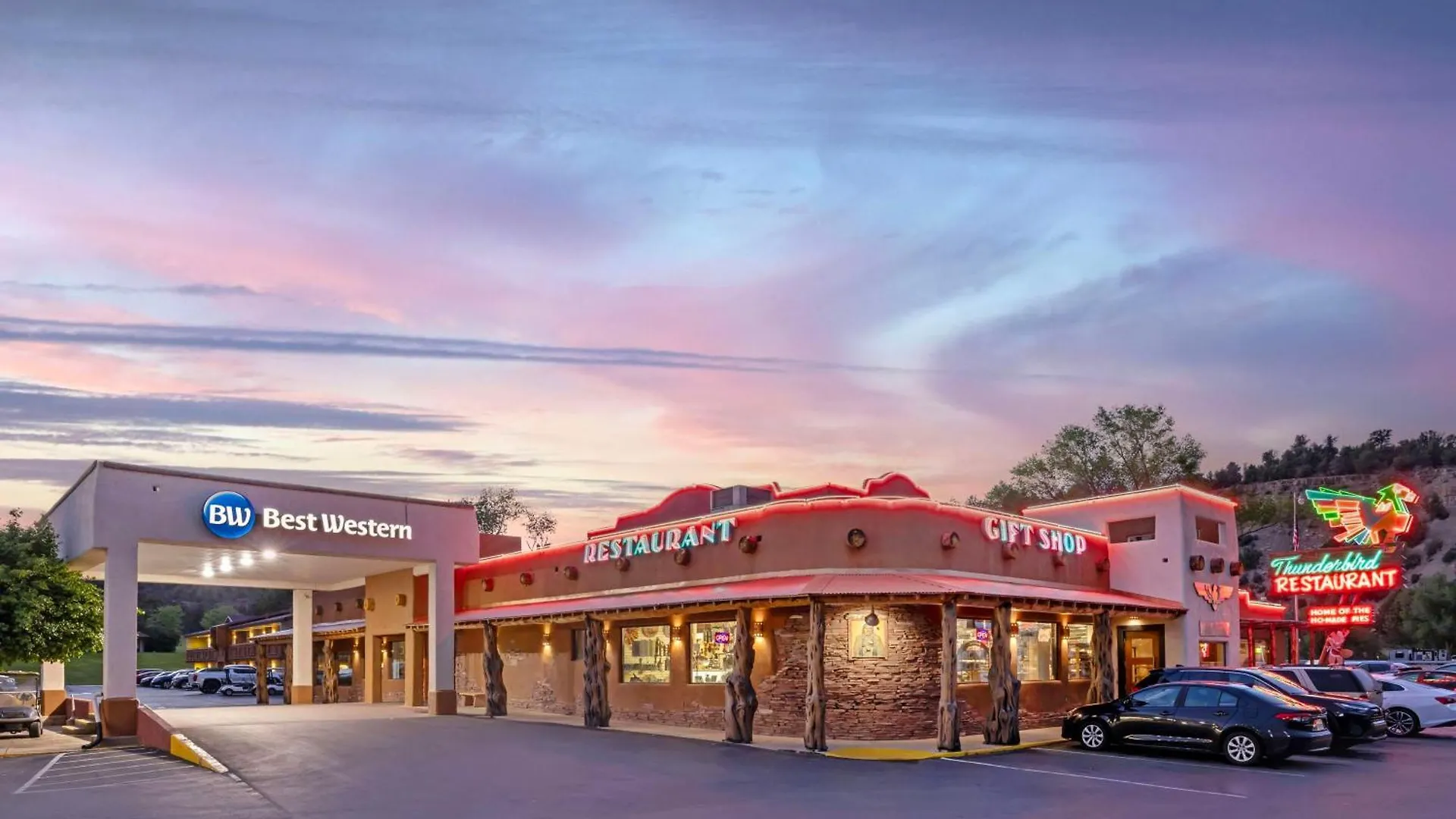
1. Best Western East Zion Thunderbird Lodge
Show on map


 Check-infrom 16:00 until 22:00Check-outuntil 11:00
Just a few rooms left at the best rate!
fromUS$ 125
-
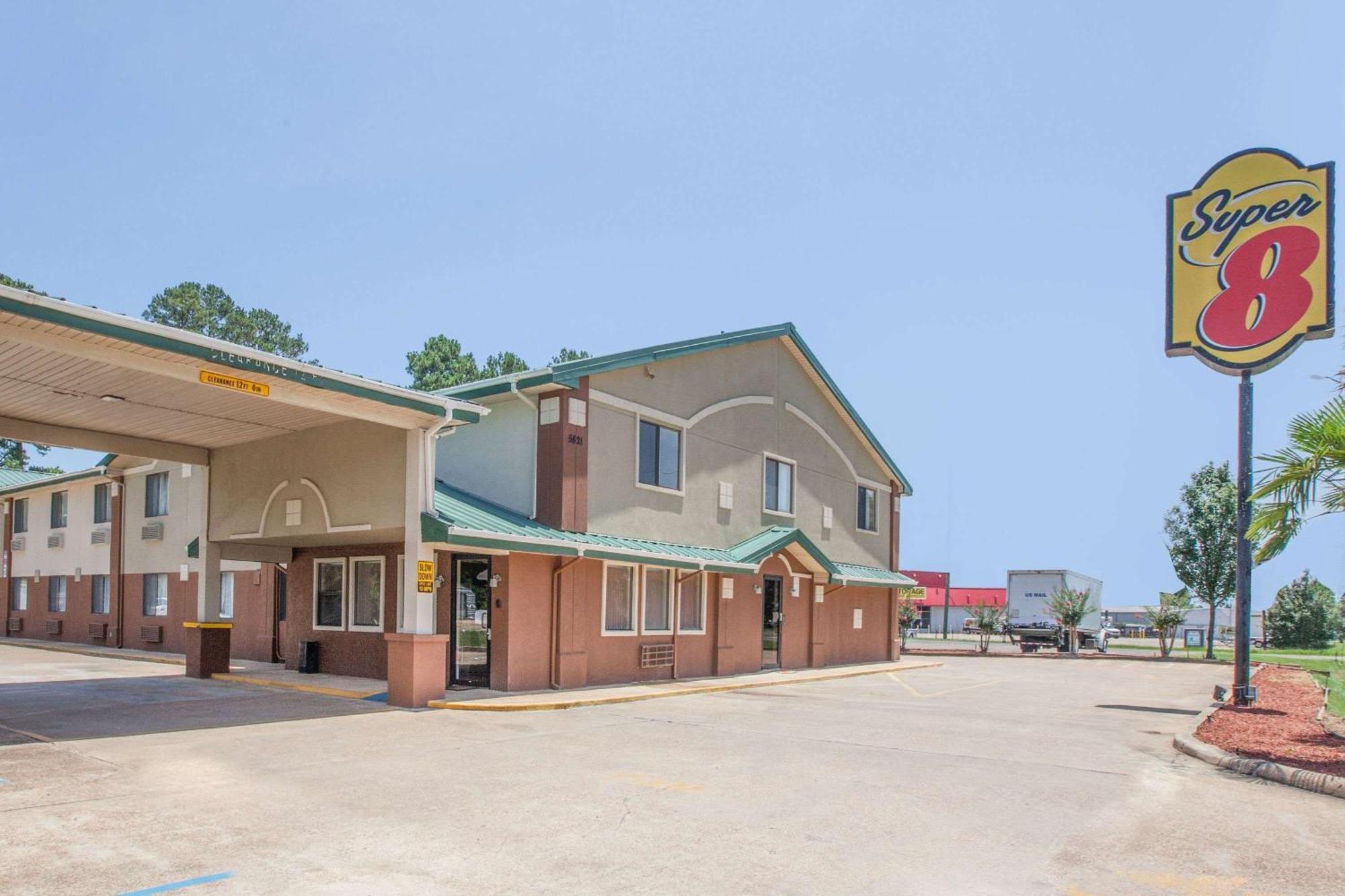
2. Super 8 By Wyndham Price
Show on map


 Check-infrom 15:00 until 23:59Check-outuntil 11:00
Just a few rooms left at the best rate!
fromUS$ 70
-
3. Western Inn - Tremonton, Utah
Show on map


 Check-infrom 14:30 until 23:59Check-outuntil 11:00
Hurry – almost gone at this price!
fromUS$ 90
Best Premium Motel Stays in Utah
These two properties step above the standard motel tier with stronger amenities, scenic positioning, or resort-adjacent facilities - suited for travelers willing to pay moderately more for a more complete on-site experience.
-
4. Quail Park Lodge
Show on map


 Check-infrom 15:00 until 23:59Check-outfrom 10:00 until 11:00
Hurry – almost gone at this price!
fromUS$ 77
-
5. Austin'S Chuckwagon Motel
Show on map


 Check-infrom 14:00 until 23:00Check-outfrom 10:00 until 11:00
Rooms filling fast – secure the best rate!
fromUS$ 339
Smart Travel & Timing Advice for Utah Motels
Utah's motel availability follows a predictable but punishing seasonal curve. May through September is peak season across all five national park corridors, and gateway towns like Kanab, Torrey, and Mount Carmel Junction sell out weeks ahead - sometimes months for holiday weekends. Prices during this window spike by around 60% compared to January or February rates at the same properties. If you're targeting Zion or Bryce, shoulder months - March to April and October to November - offer the best balance of open trails, manageable crowds, and motel availability without deep winter road closures.
For northern Utah motels like Tremonton, seasonality is less severe since they serve transit travelers rather than park visitors, and last-minute bookings are generally viable year-round. Central corridor stops like Price follow the San Rafael Swell recreation season, peaking in spring and fall when off-road and canyon hiking conditions are optimal. Plan for at least 2 nights per park cluster - one night to arrive and recover, one full day for the park itself. Booking directly through the motel's own site or a dedicated platform sometimes yields better cancellation flexibility than third-party aggregators, worth checking before confirming.