New Mexico delivers one of the most geographically and culturally layered travel experiences in the American Southwest - from the high desert of Taos to the volcanic landscapes near Raton and the open plains of Santa Rosa along Route 66. This guide covers 5 leisure hotels across the state, selected to help you match your base to the experience you're actually after, whether that's outdoor adventure, road-tripping, or a slow-paced retreat in historic surroundings.
What It's Like Staying in New Mexico
New Mexico spans over 121,000 square miles, which means your choice of base city shapes the entire trip. Distances between attractions are real - driving from Santa Rosa to Taos takes around 3 hours - so most leisure travelers benefit from planning by region rather than trying to cover the full state. The state sees over 37 million visitors annually, but outside of Santa Fe and Albuquerque, crowds drop sharply, making smaller towns like Cimarron or Raton genuinely uncrowded even in peak summer.
New Mexico's elevation varies dramatically - Taos sits above 6,900 feet - which affects packing, physical exertion, and even sleep quality for first-timers. The driving culture is dominant; public transit between towns is essentially nonexistent, and a rental car is not optional for leisure travelers exploring beyond a single city.
Pros:
- Extraordinary landscape diversity - volcanic fields, gorges, high desert, and pine forest within a single state
- Far lower crowd pressure than comparable Southwest destinations like Sedona or Moab
- Strong cultural identity (Native American, Hispanic, Route 66) that gives every stop genuine character
Cons:
- Vast driving distances between regions make multi-stop itineraries time-intensive
- Altitude above 6,000 feet in northern New Mexico can cause fatigue or headaches in the first 24 hours
- Dining and nightlife outside Santa Fe and Albuquerque are limited, especially in rural towns
Why Choose Leisure Hotels in New Mexico
Leisure-focused hotels in New Mexico tend to sit in two distinct tiers: budget-accessible motels along highway corridors (Route 66, I-25) serving road-trippers, and small inns or B&Bs in historic towns catering to travelers who want atmosphere alongside comfort. Mid-range leisure properties here typically run around 20% cheaper than equivalent options in Colorado or Arizona, making New Mexico a strong value destination for extended stays. Room sizes at highway-adjacent properties are generally generous by U.S. standards, with parking always available - a practical advantage for gear-heavy outdoor travelers.
The trade-off in rural areas is amenity depth: properties outside the major cities rarely offer on-site restaurants, spas, or concierge-level services. What they do offer is proximity to the actual attractions - gorges, canyons, volcanic monuments, and historic trails - rather than proximity to a city center. That positioning suits leisure travelers whose priority is early access to outdoor sites rather than walkable urban evenings.
Pros:
- Properties positioned near key outdoor attractions (state parks, national monuments, scenic byways) reduce daily driving time
- Free parking is standard across nearly all leisure hotels in the state - critical for road-trip itineraries
- Historic inns and B&Bs offer genuinely differentiated stays with local architectural character
Cons:
- On-site dining is rare outside B&Bs; most properties rely on nearby fast-casual or chain restaurants
- Smaller towns offer limited evening entertainment, which may disappoint travelers expecting resort-style leisure
- Peak summer weekends (July-August) can drive up rates even at budget-tier properties by around 30%
Practical Booking & Area Strategy for New Mexico
New Mexico's best leisure base depends entirely on your itinerary anchor. Taos is the strongest single base for travelers combining outdoor adventure (skiing, Rio Grande Gorge hiking, white-water rafting) with arts and culture - the town is compact and walkable in its historic core, with most key attractions within 30 minutes by car. Raton, in the northeast corner near the Colorado border, is strategically placed for travelers hitting Capulin Volcano National Monument, Sugarite Canyon State Park, and the Santa Fe Trail - all within a short drive. Santa Rosa, sitting directly on historic Route 66 along I-40, is the logical overnight stop for road-trippers crossing the state east to west, with the Blue Hole (a natural artesian spring popular for swimming and diving) just minutes from the main strip.
Cimarron, one of the least-visited towns in this guide, offers proximity to Philmont Scout Ranch and the Cimarron Canyon State Park, making it a quiet base for hiking and fly-fishing without the tourist volume of more established destinations. Book at least 6 weeks ahead for any Taos stay between late June and early August, and for ski season (late November through March), where availability at well-reviewed properties tightens quickly. In contrast, Raton and Santa Rosa remain bookable closer to the date year-round, often with competitive last-minute rates.
Best Value Stays
These properties offer practical, well-located bases for leisure travelers prioritizing access to key attractions over boutique amenities, with straightforward amenities and reliable road-trip positioning.
-
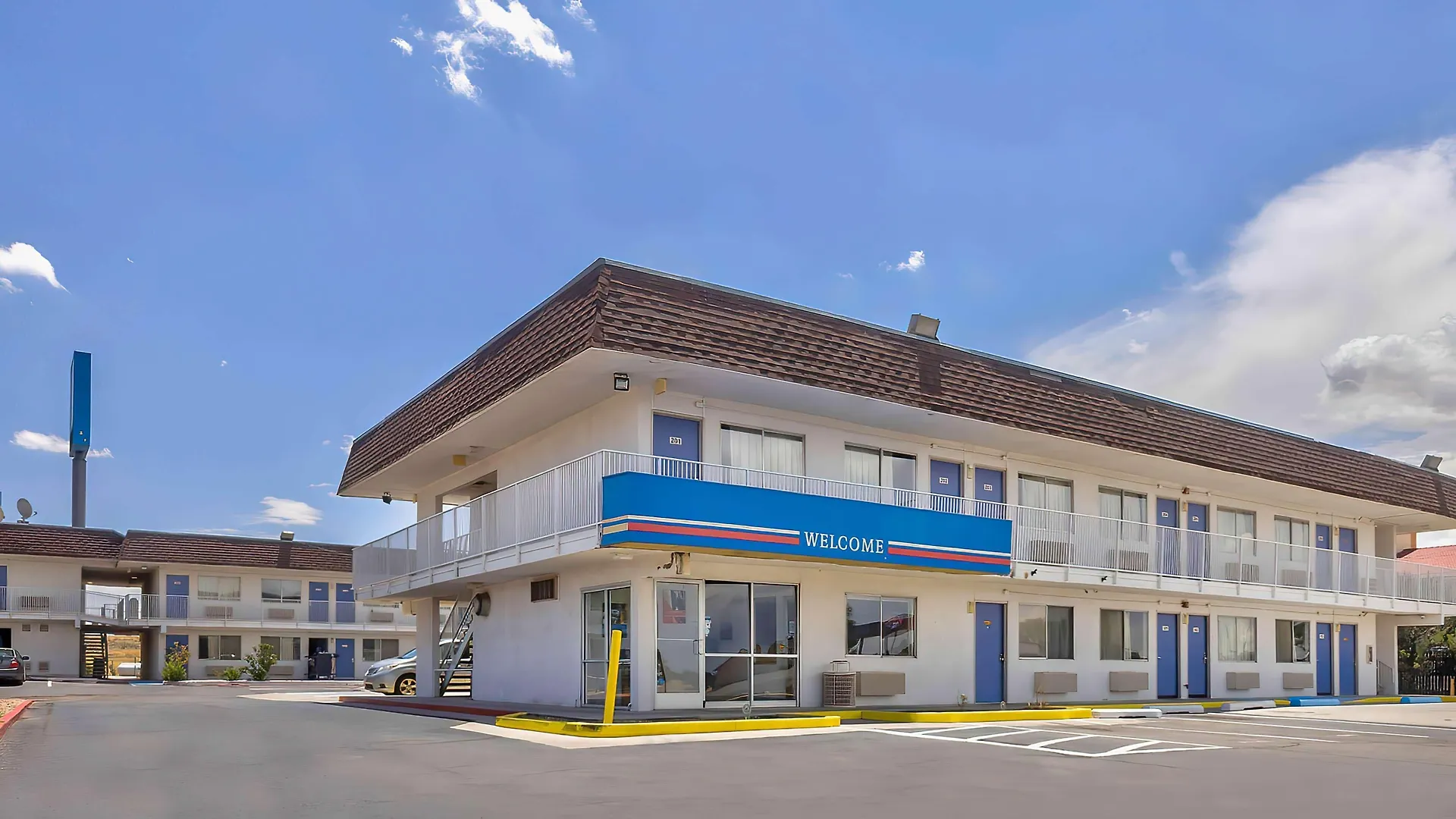
1. Motel 6-Santa Rosa, Nm
Show on map


 Check-infrom 15:00 until 23:59Check-outuntil 11:00
Just a few rooms left at the best rate!
fromUS$ 69
-
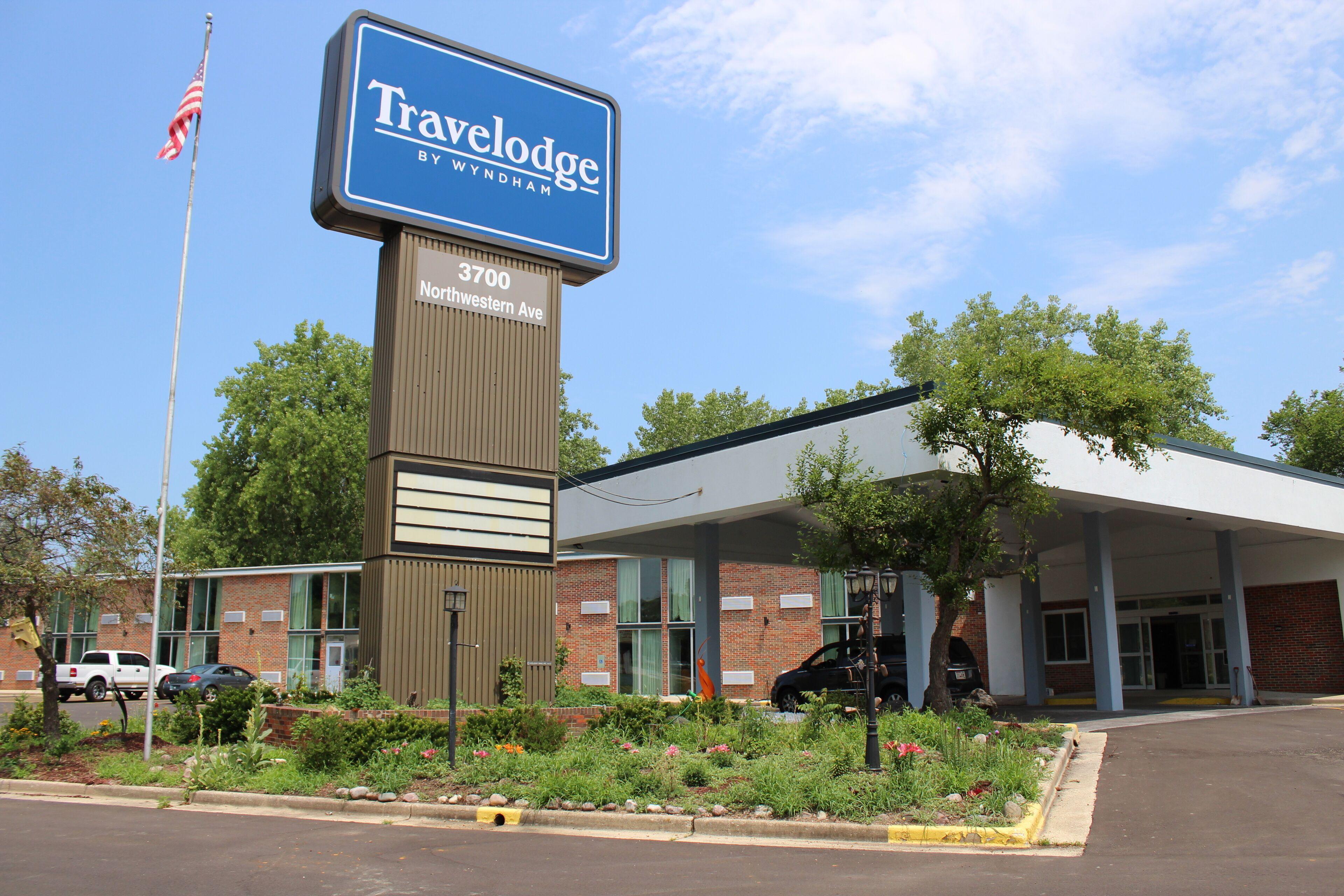
2. Quality Inn Raton, Nm
Show on map


 Check-infrom 15:00 until 23:59Check-outuntil 11:00
Just a few rooms left at the best rate!
fromUS$ 96
Best Character Stays
These properties go beyond standard lodging - each offers a distinct sense of place rooted in New Mexico's historic and natural landscape, suited to leisure travelers who want the stay itself to be part of the experience.
-
3. Old Taos Guesthouse B&B
Show on map


 Check-infrom 15:00 until 23:30Check-outuntil 11:00
Hurry – almost gone at this price!
fromUS$ 192
-
4. Casa Del Gavilan Historic Inn
Show on map


 Check-infrom 15:00 until 22:00Check-outuntil 11:00
Rooms filling fast – secure the best rate!
fromUS$ 230
Smart Timing & Booking Strategy for New Mexico Leisure Travel
New Mexico's peak leisure season runs from late June through August, when Taos, the northern mountains, and Route 66 see their highest visitor volumes. Book Taos-area properties at least 6 weeks in advance for summer stays - well-reviewed B&Bs and guesthouses fill quickly, and last-minute options shrink fast. The second busiest window is ski season (late November through early March), primarily affecting Taos, where nightly rates can spike by around 35% on weekends compared to mid-week rates at the same property.
For travelers with scheduling flexibility, September and October offer the best balance of good weather, reduced crowds, and more competitive rates across the state. The fall foliage in northern New Mexico (especially around Cimarron Canyon and the Enchanted Circle) peaks in mid-October and is visually exceptional without the summer volume. Santa Rosa and Raton remain relatively price-stable year-round and can be booked with shorter lead times - typically 2 to 3 weeks out is sufficient outside major U.S. holiday weekends. A minimum of 2 nights per base is recommended in each region; single-night stops rarely allow enough time to experience the surrounding attractions meaningfully.