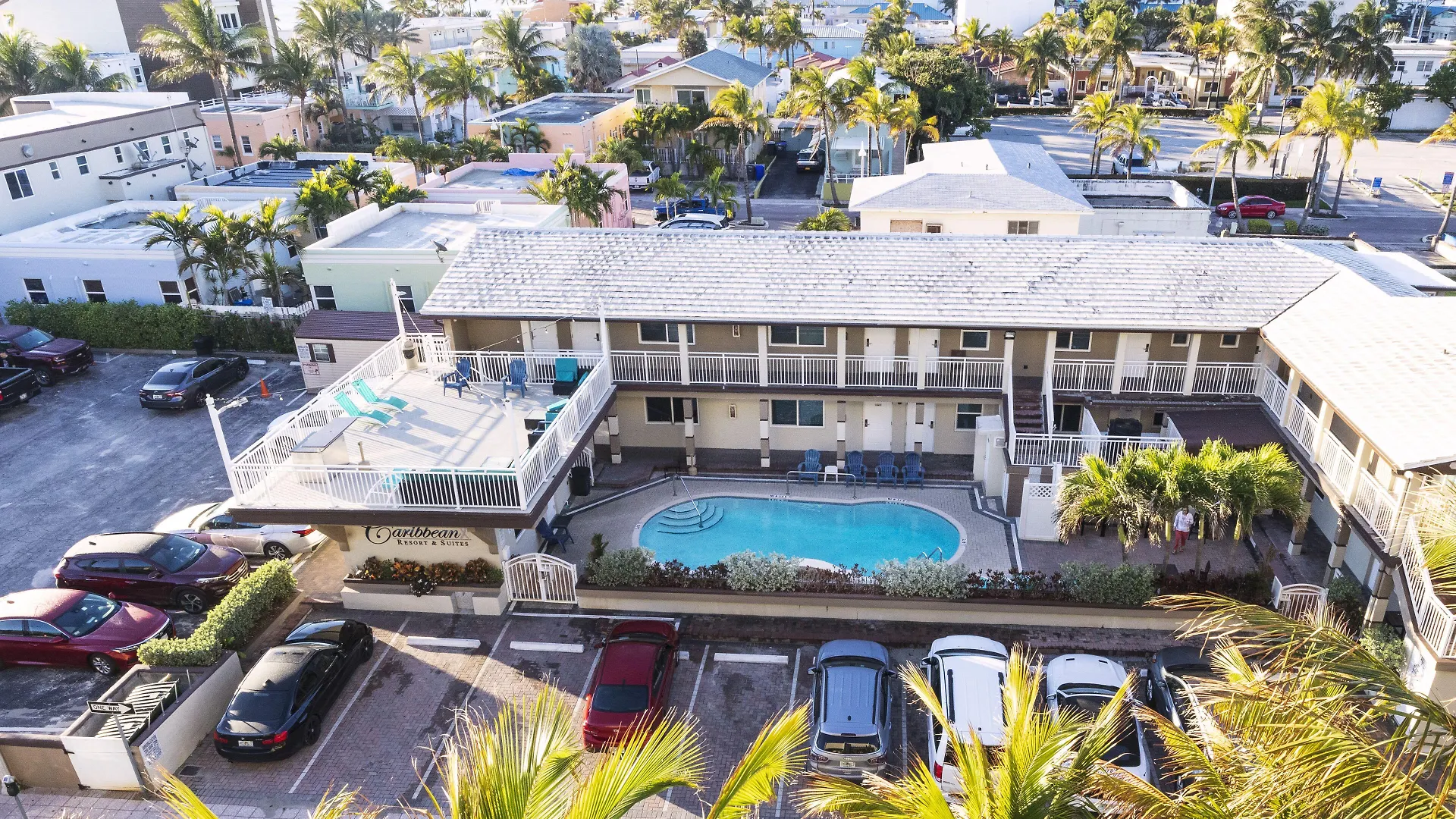
Miami Metropolitan Area spans a vast coastal corridor from Miami International Airport (MIA) in the south to Fort Lauderdale-Hollywood International Airport (FLL) in the north, giving travelers rare flexibility when choosing an airport hotel. Whether you're catching an early departure, arriving late, or using the region as a layover base, the area offers a wide spectrum of stays - from beachfront resorts in Pompano Beach to business-ready hotels near Doral - all within realistic driving distance of at least one major airport.
What It's Like Staying In Miami Metropolitan Area
Miami Metropolitan Area operates on two distinct rhythms: the fast-moving inland corridors near MIA and the Doral business district, and the slower, beach-driven pace of Hollywood, Lauderdale-by-the-Sea, and Pompano Beach along the Atlantic coast. Both FLL and MIA serve the region, meaning travelers can often choose their airport based on hotel proximity rather than airline preference. Traffic on I-95 and the Florida Turnpike can add significant transit time during peak hours, so hotel positioning relative to your departure terminal matters more here than in most U.S. metros.
The metropolitan area draws a mixed crowd - business travelers rotating through Doral's corporate parks, cruise passengers staging near Port Everglades, and leisure travelers using the coast as a base. Around 60% of FLL passengers are connecting to or from cruise departures, which shapes the hotel ecosystem considerably.
Pros:
- Two major international airports (MIA and FLL) give travelers rare scheduling flexibility across the metro
- Airport hotels here often double as resort-style stays with pools, beach access, and dining - not just transit stops
- Free parking is more commonly available near FLL-area properties than at most major U.S. airport hotels
Cons:
- Highway traffic between Miami and Fort Lauderdale can add over an hour to what looks like a short drive on a map
- Beach-adjacent airport hotels often charge resort-style rates even during off-peak periods
- Public transit between hotels and airport terminals is limited, making car access or paid transfers a practical necessity
Why Choose Airport Hotels In Miami Metropolitan Area
Airport hotels in Miami Metropolitan Area are more varied than the category suggests - here, the label covers everything from no-frills highway properties to full beachfront resorts sitting within 15 km of a major terminal. Properties near FLL frequently offer free parking, which represents a real saving for road-trip travelers or those arriving by car, since airport parking at FLL runs around $20 per day. Unlike airport hotels in dense urban airports, several options in this corridor put guests within walking distance of the Atlantic Ocean, making a layover or pre-cruise night genuinely comfortable.
Room sizes near FLL-area properties tend to be more generous than comparable airport hotels near MIA, where land premiums push rates up and square footage down. Trade-offs include noise from nearby flight paths at inland properties, and the need to factor in realistic drive times to terminals rather than relying on map estimates.
Pros:
- Several airport-adjacent properties include outdoor pools, beach areas, and on-site dining - amenities rarely found at airport hotels in other major metros
- Free private parking at multiple FLL-corridor properties eliminates a hidden cost that adds up quickly on multi-night stays
- Kitchenette and full kitchen options are available across the price spectrum, useful for families or extended layovers
Cons:
- Properties marketed as airport hotels may still require a 15-20 minute drive to the terminal - always verify transfer logistics before booking
- Beach-facing rooms at resort-style airport hotels command a significant premium over standard room rates
- Flight noise can be a factor at inland properties positioned directly under approach corridors for MIA or FLL
Practical Booking & Area Strategy
For travelers using FLL (Fort Lauderdale-Hollywood International Airport), the Hollywood, Pompano Beach, and Lauderdale-by-the-Sea corridors offer the strongest combination of beach access and airport proximity - most properties along this stretch sit within 15 km of the terminal. The Doral area, positioned about 10 km west of MIA, suits business travelers and those on connecting flights, with direct access to the Florida Turnpike and Dolphin Expressway. Pre-cruise travelers staging near Port Everglades should prioritize Hollywood or Fort Lauderdale Beach properties, which allow easy access to the port without fighting downtown Miami traffic.
Peak booking pressure hits hardest between December and April, when snowbird season and cruise demand converge - book at least 6 weeks ahead for FLL-corridor beach properties during this window. Summer brings heat and humidity but noticeably lower rates and thinner crowds at most airport-adjacent hotels. Key area attractions include the Hollywood Broadwalk, Fort Lauderdale's Las Olas Boulevard, Bonnet House Museum and Gardens, and Pompano Beach Pier - all reachable without a car from beachfront properties along this corridor.
Best Value Airport Stays
These properties deliver strong practical utility for airport-bound travelers - combining coastal or convenient positioning with accessible rates, free parking, and amenities that go beyond the typical transit-stop formula.
-
1. Caribbean Resort Suites
Show on map


 Check-infrom 16:00 until 23:59Check-outuntil 11:00
Just a few rooms left at the best rate!
fromUS$ 152
-
2. Holiday Inn Miami-Doral Area By Ihg
Show on map


 Check-infrom 15:00 until 23:59Check-outuntil 11:00
Just a few rooms left at the best rate!
fromUS$ 90
-
3. Ebb Tide Resort
Show on map


 Check-infrom 15:00 until 20:00Check-outfrom 06:00 until 10:00
Hurry – almost gone at this price!
fromUS$ 206
Best Premium Airport Stays
These properties offer upgraded amenities, beachfront positioning, and resort-level facilities while maintaining practical proximity to FLL - suited to travelers who want more than a transit stop between flights.
-
4. The Atlantic Hotel & Spa
Show on map


 Check-infrom 16:00 until 23:59Check-outuntil 11:00
Hurry – almost gone at this price!
fromUS$ 120
-
5. Plunge Beach Resort
Show on map


 Check-infrom 16:00 until 23:59Check-outuntil 11:00
Rooms filling fast – secure the best rate!
fromUS$ 99
Smart Travel & Timing Advice For Miami Metropolitan Area
The Miami Metropolitan Area runs on a pronounced seasonal calendar. December through April is peak season across the FLL and Hollywood Beach corridors, driven by snowbird arrivals, spring break, and cruise season overlap - rates at beachfront airport properties can rise sharply during this window, and availability at well-reviewed options tightens fast. Booking at least 6 weeks ahead is advisable for any beach-facing property between January and March. May through August brings heat that keeps some leisure travelers away, but airport hotels in this period often offer their lowest annual rates and genuinely thin crowds on the beach.
September and October represent the corridor's quiet shoulder season - hurricane season technically runs through November, but most years see only modest disruption to travel in the metro area. A stay of 2 nights is typically sufficient for pre-cruise or post-flight recovery purposes; travelers using the region as a standalone destination should plan for at least 4 nights to meaningfully cover both the Fort Lauderdale Beach and Hollywood Broadwalk areas. Last-minute rates near FLL rarely drop significantly during peak months, so early commitment pays off for premium beachfront properties more than for inland business hotels near Doral.